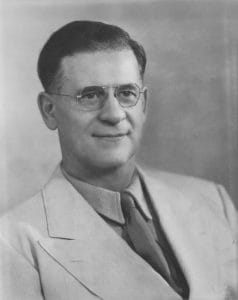





On April 25, 1934, Frank G. Brotz, along with his five sons, formed the American Molded Products Company, a family partnership, in Chicago, Illinois. This company manufactured thermosetting liquid resins, which were used to cast molded products that included handles, knobs, radio cabinets, and similar items.
In August 1934, the company was moved to Sheboygan, Wisconsin. The name was changed to Plastics Engineering Company. A year later, the production of liquid resins and castings was discontinued in favor of pressed moldings from dry, granular molding compounds. These compounds were developed essentially from cresol-formaldehyde resins, mixed with dry fibrous and mineral fillers. The company requirements for molding compounds were relatively small in those days and their production was not economically justified.
During the fall of 1939, the partnership decided to concentrate its efforts and limited capital exclusively for a time on the development of its custom molding department. Many items were molded and finished for the utensil industry. By 1944 some 200 workers were employed, molding and finishing phenolic components for the Army, Navy, and Air Force ordnance departments in connection with the war effort. During the war years, the firm molded "frangible" bullets, which were used in the training of aerial gunners. They also produced numerous electrical parts such as cable connectors, switch bases, flying suit connectors, earphone bases, and electric brake connectors.
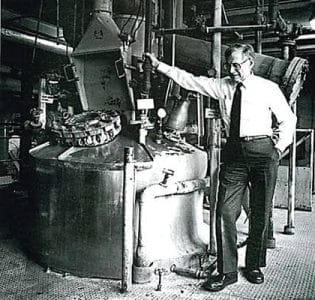
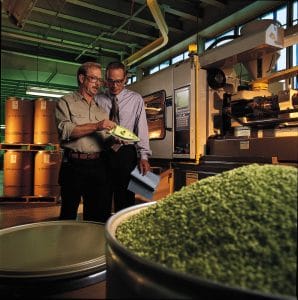
After World War II, there was first an acute, and then a prolonged, national shortage of molding compounds. The company's allocations from the various producers totaled only 20,000 pounds per month. In order for the firm to survive, the partnership decided in March 1946, to revive its manufacture of molding compounds, this time from phenol-formaldehyde resins. An addition to the Geele Avenue plant was built in Sheboygan, Wisconsin for this purpose and became operational in November of that year. Mr. E. H. Beach joined the firm in November 1946, and his energy and talents were focused on the manufacturing of phenolic molding material. Markets for molding compounds and resins other than for company requirements were subsequently developed. The molding compound manufacturing division expanded when the resin plant on North Avenue was built in 1950. In 1959, production of melamine and melamine-phenolic resins and molding compounds was initiated.
The firm grew rapidly during the 1960's and 1970's, with nine major building expansions made to the resin and molding material manufacturing plant. A warehouse complex was constructed in 1969 and expanded in 1976. This facility enhanced the company's ability to rapidly respond to customer orders and to efficiently manage its raw material and finished goods inventories. On December 1, 1973, the firm officially opened the doors to a new and distinctive general office.
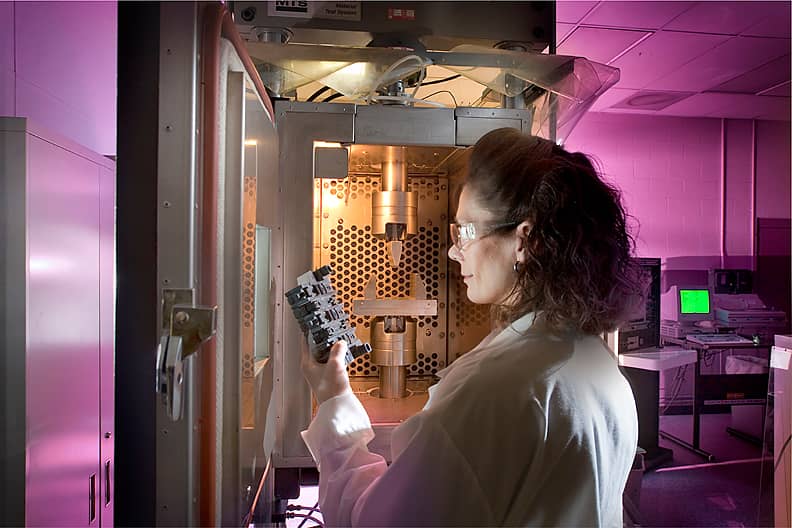
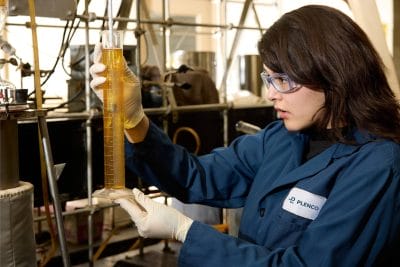
Today Plastics Engineering Company, selling products under its trademark PLENCO, remains a closely-held family corporation that spans three generations. It furnishes industry with a wide range of ready-made or custom-formulated molding compounds, industrial resins, and molded products. Plastics Engineering Company maintains modern production, research, testing, and administrative facilities in Sheboygan, Wisconsin and is represented by a fully staffed technical sales group.